Millions of people want to buy a house with bad credit or limited savings and assume the door is permanently closed. The reality in 2026 is more encouraging than most realize. Credit requirements have loosened on several government-backed loan programs, down payment assistance is available in almost every state, and alternative financing paths like seller financing and rent-to-own have become far more mainstream. This guide walks you through every realistic option available right now in the USA and Canada, with honest advice on what actually works. If you’re looking to buy a house with bad credit, understanding your options is essential.
Whether your credit score is sitting at 580 or your savings account barely covers first and last month’s rent, there are programs and strategies designed specifically for buyers in your position. You just need to know where to look.
For many potential buyers looking to secure a house with bad credit, there are specific resources and programs tailored to help you navigate through the challenges of purchasing a home.
Key Takeaways
- FHA loans allow buyers to purchase with a credit score as low as 500, with just 3.5% down at 580 or above.
- Down payment assistance programs exist in every U.S. state and most Canadian provinces, many of which are forgivable grants.
- USDA loans require zero down payment for eligible rural and suburban properties.
- VA loans offer zero down payment and no private mortgage insurance for qualifying veterans and active service members.
- Seller financing and rent-to-own arrangements are growing alternatives that bypass traditional credit checks entirely.
- Buying in an affordable market significantly increases your approval chances and reduces the savings required to close.
What Credit Score Do You Actually Need to Buy a House in 2026?
There is no single universal credit score requirement for homeownership in 2026. The number that matters depends entirely on the loan program you use. Here is a clear breakdown of what lenders and programs actually require right now:
| Loan Type | Minimum Credit Score | Minimum Down Payment | Best For |
|---|---|---|---|
| FHA Loan | 500 (580 for 3.5% down) | 3.5% to 10% | Bad credit buyers, first-time buyers |
| VA Loan | No official minimum (most lenders: 580+) | 0% | Veterans and active military |
| USDA Loan | 640 recommended | 0% | Rural and suburban buyers |
| Conventional Loan | 620 | 3% to 20% | Buyers with stronger credit |
| Seller Financing | No requirement | Negotiable | Buyers banks have rejected |
| Rent-to-Own | No requirement | Option fee only | Buyers building toward ownership |
The important takeaway here is that a credit score below 620 does not disqualify you. It simply means you need to use the right program. Most buyers in this situation have more options than their bank has told them about.
FHA Loans: The Most Accessible Path for Bad Credit Buyers
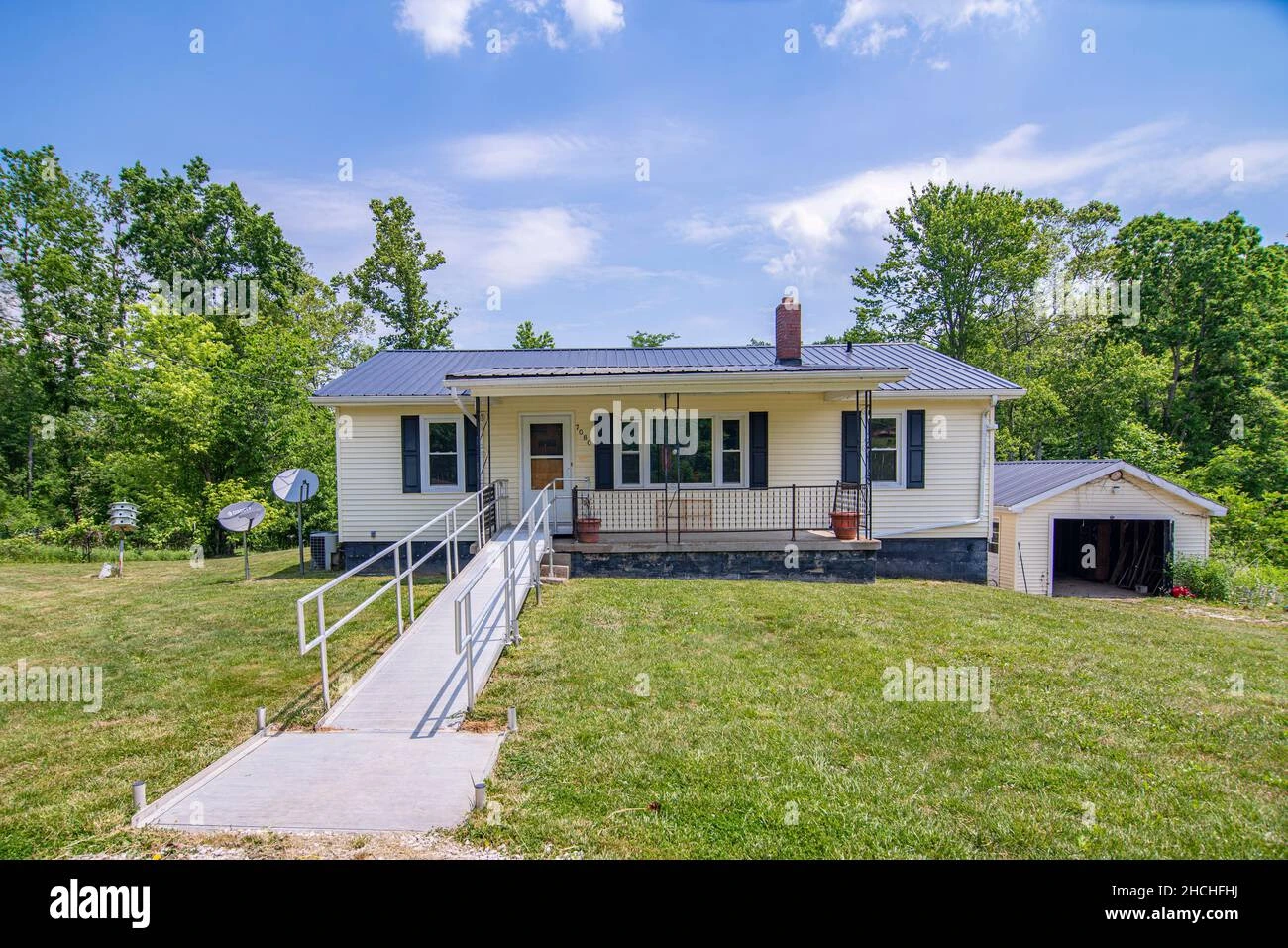
If you want to buy a house with bad credit in 2026, an FHA loan is almost certainly your most practical starting point. Backed by the Federal Housing Administration, these loans were specifically designed to open homeownership to buyers that conventional lenders would turn away.
Ultimately, a house with bad credit may not be an obstacle but rather an opportunity for a fresh start.
FHA Loan Requirements for Bad Credit Buyers
In conclusion, remember that the journey to owning a house with bad credit is achievable through dedicated effort and resourcefulness.
- Credit score of 580 or above: Qualifies you for 3.5% down payment
- Credit score between 500 and 579: Still eligible, but requires 10% down
- Debt-to-income ratio: Generally up to 43%, with some flexibility up to 57% in certain cases
- Steady employment history: Two years preferred, though exceptions exist
- Primary residence only: FHA loans are for the home you live in, not investment properties
On a $165,000 home with a 580 credit score, your minimum down payment is just $5,775. Combined with a down payment assistance grant, many buyers in this situation close with very little out of pocket.
The main trade-off with FHA loans is mortgage insurance. You will pay an upfront mortgage insurance premium of 1.75% of the loan amount, plus an annual premium that typically ranges from 0.55% to 1.05%. On a $150,000 loan that adds roughly $70 to $130 per month to your payment. It is a real cost, but for buyers who cannot qualify elsewhere, it is a fair price to pay to get into a home.
Full program details and approved lenders are available at HUD.gov.
Looking for specific markets where these programs work best? Read our guide to the 15 most affordable housing markets in the USA under $200,000 in 2026 for a full breakdown of cities where FHA and down payment assistance buyers are finding the most success.
By learning the requirements for a house with bad credit, you can set realistic goals for homeownership.
Down Payment Assistance Programs Across the USA and Canada
Low savings is one of the biggest barriers for first-time buyers, but down payment assistance programs have expanded significantly in both the USA and Canada. Many buyers do not realize these programs exist, and even fewer realize how many of them are outright grants that never need to be repaid.
Down Payment Assistance Options in the USA
- HUD-approved state programs: Every U.S. state runs at least one down payment assistance program. Many are income-based and targeted at first-time buyers. Search your state’s housing finance agency at HUD.gov/states.
- National Homebuyers Fund (NHF): Provides grants of up to 5% of the loan amount that do not need to be repaid.
- Chenoa Fund: Pairs with FHA loans to cover the 3.5% down payment as a soft second loan or grant.
- Good Neighbor Next Door: HUD program offering up to 50% off list price for teachers, firefighters, law enforcement, and EMTs in designated areas.
- Local city and county programs: Many municipalities offer additional grants ranging from $2,500 to $25,000 for buyers purchasing within city limits.
Taking proactive steps towards financial literacy enhances your ability to buy a house with bad credit.
Down Payment Assistance Options in Canada
Familiarize yourself with the local market trends to find the best opportunities for a house with bad credit.
- First Home Savings Account (FHSA): Allows first-time buyers to save up to $40,000 tax-free toward a home purchase, with annual contribution room of $8,000.
- Home Buyers’ Plan (HBP): Lets you withdraw up to $60,000 from your RRSP tax-free for a qualifying home purchase, with 15 years to repay.
- First-Time Home Buyer Incentive: A shared equity program where the Government of Canada contributes 5% to 10% toward your down payment on eligible properties.
- Provincial programs: British Columbia, Ontario, and Quebec each run additional assistance programs for low and moderate income buyers. Check your provincial housing authority for current eligibility.
USDA and VA Loans: Government Programs With No Down Payment Required
Two of the most powerful loan programs available in 2026 require zero down payment and are significantly underused by buyers who qualify.
USDA Loans: Zero Down for Rural and Suburban Buyers
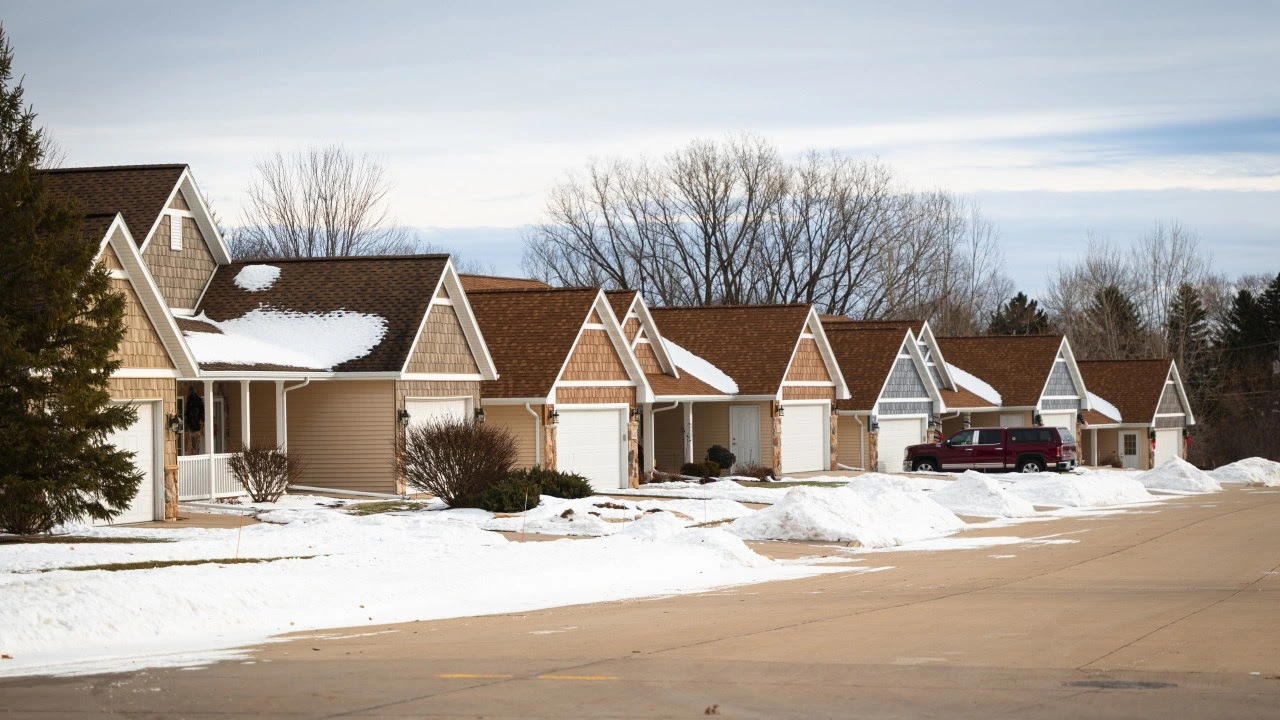
USDA loans are backed by the U.S. Department of Agriculture and are available to buyers purchasing in eligible rural and suburban areas. The definition of eligible is broader than most people assume. Many properties within commuting distance of mid-size cities qualify. Key requirements include:
- The property must be in a USDA-eligible area (check the map at eligibility.sc.egov.usda.gov)
- Household income must be at or below 115% of the area median income
- A credit score of 640 is generally recommended, though lower scores can qualify with manual underwriting
- The home must be your primary residence
USDA loans do carry a guarantee fee of 1% of the loan amount upfront and 0.35% annually, but with no down payment required they remain one of the most affordable paths to homeownership for buyers in qualifying areas.
VA Loans: The Best Loan Program Available for Veterans
If you are an active service member, veteran, or surviving spouse, the VA loan program is arguably the best mortgage product in existence. Benefits include:
- Zero down payment required
- No private mortgage insurance
- Competitive interest rates, typically below conventional loan rates
- No minimum credit score set by the VA, though most lenders require 580 or above
- Can be used multiple times throughout your lifetime
If you qualify for a VA loan and you are not using it, you are leaving one of the most valuable financial benefits available to you completely unused. More information is available at VA.gov.
Seller Financing and Rent-to-Own: Alternative Routes Around the Banks
For buyers who cannot qualify for any traditional loan program right now, seller financing and rent-to-own arrangements offer a direct path to homeownership that bypasses banks entirely.
How Seller Financing Works
In a seller financing arrangement, the seller acts as the lender. Instead of getting a mortgage from a bank, you make monthly payments directly to the seller under agreed terms. There is no formal credit check, no bank approval process, and no standard down payment requirement. The terms, including interest rate, repayment period, and down payment amount, are negotiated directly between you and the seller.
Seller financing works best when a property has been sitting on the market for a long time, when the seller owns the home outright with no existing mortgage, or when you can offer a meaningful down payment in exchange for flexible terms. Always use a real estate attorney to draft the agreement and ensure it is properly recorded.
How Rent-to-Own Works
Ultimately, your persistence in finding the right path to a house with bad credit will pay off.
A rent-to-own agreement lets you rent a property for a fixed period, typically one to three years, with the option to purchase it at a predetermined price before the lease ends. A portion of your monthly rent payment is often credited toward your down payment or purchase price.
This arrangement gives you time to repair your credit, save additional funds, and lock in a purchase price before the market moves. The main risk is losing your option fee and rent credits if you are unable to qualify for a mortgage when the option period expires. Always have an attorney review the contract before signing.
Pairing a government loan program with the right market dramatically improves your chances of approval and reduces the savings required to close. See our full list of affordable homes under $200,000 across the USA to identify markets where your budget goes furthest.
How to Improve Your Credit Score Before You Buy a House
If your credit score is currently below 580, spending six to twelve months actively improving it before applying for a mortgage can make a significant difference, both in what programs you qualify for and what interest rate you receive.
- Pull your credit reports from all three bureaus. Visit AnnualCreditReport.com (USA) or Equifax.ca (Canada) for free reports. Dispute any errors you find, as inaccurate negative items are common and can be removed.
- Pay down revolving credit balances. Your credit utilization ratio, which is how much of your available credit you are using, accounts for roughly 30% of your score. Getting all balances below 30% of their limit will raise your score relatively quickly.
- Do not close old accounts. Length of credit history matters. Closing old cards, even ones you do not use, can lower your score by shortening your average account age.
- Become an authorized user. Ask a family member with good credit to add you as an authorized user on an existing card. Their positive payment history on that account can boost your score even if you never use the card.
- Avoid opening new credit accounts in the six months before applying. Every hard inquiry temporarily lowers your score. Keep your credit profile stable while you prepare to apply for a mortgage.
- Set up autopay for all bills. Payment history is the single largest factor in your credit score, accounting for 35%. One missed payment can set back months of progress.
Affordable Markets Where Bad Credit Buyers Have More Leverage
One of the most overlooked strategies for buyers with bad credit or low savings is choosing the right market. In cities where homes are priced between $100,000 and $180,000, the math changes dramatically. Lower purchase prices mean smaller loan amounts, which means lenders face less risk and are often more willing to work with credit-challenged buyers.
Markets like Cleveland, Ohio, Fort Wayne, Indiana, and Birmingham, Alabama consistently offer move-in-ready homes in the $120,000 to $175,000 range. At these price points, an FHA loan with a 3.5% down payment requires less than $6,500 out of pocket, and down payment assistance programs in these states can cover that amount entirely for qualifying buyers.
Buying in a lower-cost market also reduces the loan amount you need approved, which can make a meaningful difference when your credit is being stretched. Explore the best affordable housing markets in the USA under $200,000 for 2026 to see where the numbers work for buyers in your situation.
The combination of a government-backed loan program, a down payment assistance grant, and a genuinely affordable market is how many buyers with bad credit or limited savings are getting into homes right now. It takes more planning than a conventional purchase, but it is entirely achievable.
Pros and Cons of Buying a House With Bad Credit or Low Savings
The key to successfully navigating the market for a house with bad credit is thorough preparation.
Advantages
- You stop paying rent and start building equity, even if your interest rate is slightly higher than average
- Home values generally appreciate over time, so buying sooner rather than later tends to pay off
- Government programs in 2026 are specifically designed to help buyers in exactly this situation
- Affordable markets reduce the financial bar significantly, making approval far more realistic
- Your credit score will likely improve once you have a mortgage in good standing, creating refinancing opportunities down the road
Trade-Offs to Consider
- Higher interest rates for lower credit scores mean you will pay more over the life of the loan
- Mortgage insurance costs are unavoidable on FHA loans until you reach 20% equity
- Fewer loan options means less flexibility in terms and lender choice
- Seller financing and rent-to-own carry higher risk if contracts are not properly structured and reviewed by an attorney
- Emotional pressure to qualify can lead buyers into accepting unfavorable terms. Move at your own pace and do not let urgency override due diligence.
My Honest Take
Buying a house with bad credit in 2026 is harder than buying with a 750 credit score, and I will not pretend otherwise. You will face more paperwork, more conditions, and probably a higher interest rate. But “harder” is not the same as “impossible,” and the buyers who succeed are simply the ones who understand their options and work the system correctly.
The most common mistake I see is people going directly to a big bank, getting rejected, and assuming that is the final answer. It is not. A big bank offering conventional loans is one of the least forgiving environments for a credit-challenged buyer. An FHA-approved lender, a HUD housing counselor, or a state housing finance agency is where your conversation should actually start.
Take the time to understand exactly what your credit situation looks like right now. Then map it to the programs available in your target area. Then find an affordable market where the numbers work. That process, done carefully, is how regular people with imperfect financial histories become homeowners every single day.
Frequently Asked Questions
Can I buy a house with bad credit and no money down?
Yes, in certain circumstances. VA loans offer zero down payment with no official minimum credit score set by the VA itself. USDA loans offer zero down for eligible rural properties, with most lenders requiring a 640 credit score. Combining an FHA loan with a down payment assistance grant can also effectively result in zero out-of-pocket at closing for qualifying buyers. The path exists, but it requires finding the right program for your specific situation.
What is the minimum credit score to buy a house with an FHA loan?
As you embark on your journey, remember that many resources are available to assist you in securing a house with bad credit.
The FHA itself sets the minimum at 500. With a score between 500 and 579 you can qualify but will need a 10% down payment. With a score of 580 or above the minimum down payment drops to 3.5%. Individual lenders may set their own higher minimums, known as lender overlays, so it is worth shopping multiple FHA-approved lenders if you are close to the minimum threshold.
How long does it take to improve credit enough to buy a house?
Remember, understanding the requirements for a house with bad credit helps streamline the process.
For most people with moderate credit issues, six to twelve months of consistent effort, paying down balances, disputing errors, and maintaining on-time payments, is enough to move from a rejected range into an approvable range for FHA financing. Serious issues like recent bankruptcy or foreclosure typically require a waiting period of two to three years before most lenders will consider your application.
Are down payment assistance programs available in Canada?
Seek advice from professionals who specialize in helping buyers of a house with bad credit.
It’s essential to gather all necessary documentation to strengthen your position when applying for a house with bad credit.
With the right knowledge and support, purchasing a house with bad credit becomes a feasible goal.
Yes. Canada offers several strong programs including the First Home Savings Account, the Home Buyers’ Plan through the RRSP, and the First-Time Home Buyer Incentive. Each province also administers its own programs. British Columbia, Ontario, and Quebec each have targeted assistance for low to moderate income first-time buyers. Contact your provincial housing authority for current program details and income thresholds.
What is seller financing and is it safe?
Seller financing is a private arrangement where the property seller acts as the lender and you make monthly payments directly to them rather than to a bank. It is legal and can be safe, but only when the contract is properly drafted by a real estate attorney and the agreement is officially recorded with the relevant county or municipal office. Never enter a seller financing agreement based on a handshake or informal paperwork.
Does buying a house help rebuild bad credit?
Yes, significantly. A mortgage is one of the most powerful positive entries you can have on your credit report. Consistent on-time mortgage payments will raise your credit score steadily over time. Many buyers who purchase with an FHA loan at a lower credit score find themselves eligible to refinance into a conventional loan with much better terms within three to five years, saving thousands in interest and eliminating mortgage insurance.
You Can Buy a House With Bad Credit. Here Is How to Start.
The path to buying a house with bad credit or low savings in 2026 is not straight, but it is real. FHA loans, down payment assistance grants, USDA and VA programs, and alternative arrangements like seller financing all exist precisely because the traditional mortgage system does not work for everyone. You do not need perfect credit. You need the right information, the right program, and the right market.
Many people in similar situations have found success in buying a house with bad credit, which serves as a reminder that it is possible.
Additionally, local housing authorities often have programs designed specifically for individuals seeking to buy a house with bad credit.
Start by pulling your credit reports and knowing exactly where you stand. Then contact a HUD-approved housing counselor in your area, a free service available at HUD.gov/counseling, who can map your specific situation to the programs available in your target location. From there, the steps become clear.
Homeownership with bad credit is not a shortcut. But for buyers willing to do the work, it is absolutely within reach.
References
When considering how to buy a house with bad credit, it’s vital to understand all the steps involved in the process, from improving your credit score to finding the right mortgage options.
- HUD.gov, FHA Loan Programs
- VA.gov, Home Loan Benefits
- USDA Eligibility Map
- Freddie Mac Primary Mortgage Market Survey
- AnnualCreditReport.com
- Government of Canada, Buying a Home
Last updated: May 2026. All program details are subject to change. Consult a licensed mortgage professional and HUD-approved housing counselor before making any purchasing decisions.
Additionally, seeking out testimonials from others who have successfully purchased a house with bad credit can provide valuable insights and encouragement.
When you are ready to proceed, ensure that you are well-informed about the various loan types available for buying a house with bad credit.
Keep in mind that while you are pursuing options to buy a house with bad credit, it is also important to maintain a steady income and budget for unexpected expenses.
Ultimately, with determination and the right resources, you can successfully purchase a house with bad credit.
Investing time in understanding the market will also aid in your journey to find a house with bad credit.
By utilizing the available resources, you can navigate the challenges and ultimately secure a house with bad credit.
Lastly, don’t underestimate the value of networking with others who have successfully secured a house with bad credit.
Understanding the various programs available for buying a house with bad credit is crucial to making informed decisions.
With the right approach, you can find your way to owning a house with bad credit.
As you move forward, remember that countless individuals have successfully purchased a house with bad credit, showing that it is indeed achievable.
By taking proactive steps, you can open the door to becoming a homeowner even with a house with bad credit.
Overall, the journey to acquire a house with bad credit may be challenging, but it is not insurmountable.
For those willing to put in the effort, buying a house with bad credit can turn from a dream into reality.
If rent costs are your core challenge right now, read our practical guide on 10 Realistic Ways to Break Free from Paying Rent in 2026 for step-by-step strategies that are working for real buyers this year.
If you are currently renting with credit challenges and wondering how to navigate the rental market, our guide on How to Rent a House with Bad Credit in 2026 covers eight practical approaches landlords actually respond to.

I’ve spent several years researching U.S. and Canadian housing markets, with a focus on practical, data-driven strategies for everyday homebuyers. My goal is to make complex market trends easier to understand and help readers make informed real estate decisions. While I strive to keep all information current and accurate, housing markets change quickly, so always consult qualified real estate, financial, or professionals before making decisions.