
I will be honest with you. A few years ago I saw tiny homes as mostly a lifestyle choice for young singles or hardcore minimalists. But after watching the housing market stay stubbornly expensive and talking to more everyday people who have actually gone this route, my view has changed. In 2026, tiny home living in 2026, including options for a tiny home in canada, is becoming one of the most practical and realistic paths to ownership for buyers who refuse to drown in debt for a standard mortgage. A tiny home in canada is also a great way to reduce living expenses.
Moreover, the appeal of a tiny home in canada lies in its sustainable living potential, providing both affordability and environmental benefits.
Living in a tiny home in canada can also encourage a simpler lifestyle, as space constraints often lead to less material accumulation.
With median home prices still sitting well above $400,000 and mortgage rates hovering around 6.5%, a growing number of buyers are asking whether tiny home living in 2026, including a tiny home in canada, could finally make ownership possible on a normal income. The honest answer, based on real numbers and real people, is yes, in many cases they can.
Exploring options for a tiny home in canada can reveal numerous styles and designs tailored to various needs.
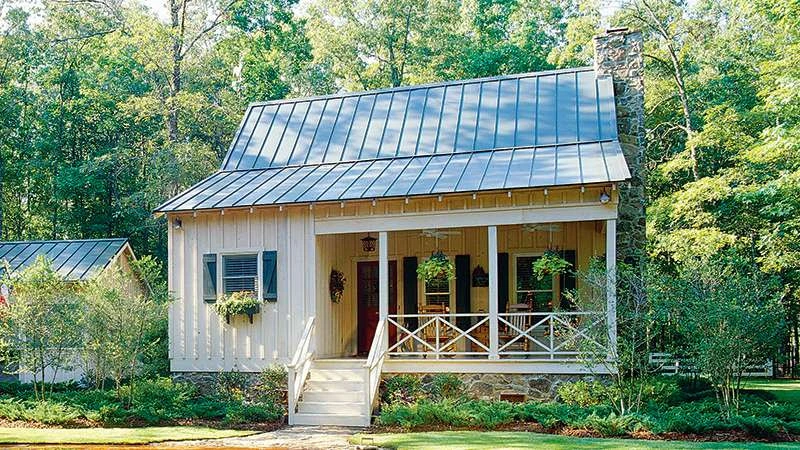
Key Takeaways
- Total monthly housing costs for tiny home owners typically run between $400 and $900, compared to $1,500 or more for a traditional mortgage or city rental.
- A professionally built tiny home costs between $60,000 and $120,000. A DIY build can come in as low as $25,000.
- Zoning laws are the biggest obstacle and vary entirely by county and municipality in both the USA and Canada.
- Financing options are more limited than traditional mortgages but personal loans, RV loans, and builder financing are all viable routes.
- Tiny homes on permanent foundations are far easier to legally permit than tiny homes on wheels in most jurisdictions.
Real Cost Breakdown of Tiny Homes in 2026
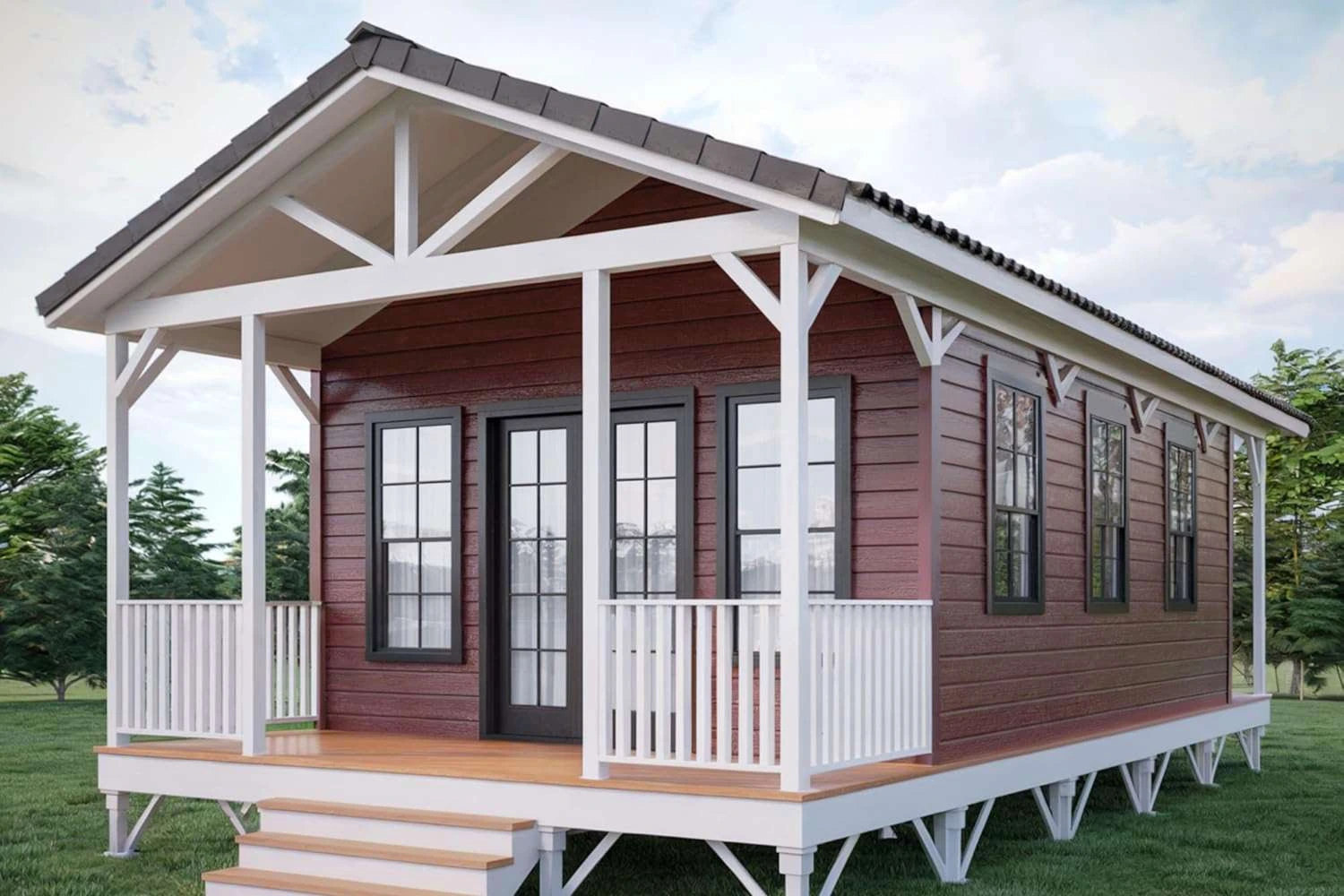
One of the biggest reasons tiny homes in 2026 are attracting serious interest is the cost difference compared to conventional housing. Here is what current numbers actually look like across the three main routes buyers take:
The growing popularity of a tiny home in canada reflects a shift in societal values towards minimalism and sustainability.
A tiny home in canada can serve as a vacation retreat, providing an escape from urban life.
| Type of Tiny Home | Typical Cost Range | Est. Monthly Cost (incl. land and utilities) | Best Suited For |
|---|---|---|---|
| New from professional builder | $60,000 to $120,000 | $700 to $1,300 | Buyers wanting turnkey quality with warranty |
| DIY or semi-DIY build | $25,000 to $55,000 | $400 to $800 | Hands-on buyers with time and basic skills |
| Used or pre-owned | $15,000 to $45,000 | $350 to $750 | Budget-first buyers comfortable with older builds |
The numbers above include a rough estimate for land, whether that is a monthly lot rental at a tiny home community, a small parcel purchase spread over a loan, or a rural plot. Utility costs are generally lower in tiny homes due to the reduced square footage, though this depends on location and the quality of insulation and systems in your build.
For context, the average apartment rental in a mid-size U.S. city in 2026 runs between $1,200 and $1,800 per month. A conventional mortgage on a median-priced home sits at $2,400 or more per month. The gap between those figures and what a tiny home owner typically pays is the core reason this conversation has moved from niche interest to mainstream consideration.
If the lower monthly costs of tiny home living appeal to you but you are also open to a small conventional home in an affordable market, read our guide to the 10 proven house hacking strategies that can reduce your mortgage payment in 2026 for a comparison of what your budget can buy in traditional housing.
A Real Example: $48,000 Build in Pennsylvania
One couple I followed built a 28-foot tiny home in rural Pennsylvania for around $48,000 in 2025. They did roughly 30% of the labor themselves with help from friends and hired licensed contractors for the electrical and plumbing work. Their total monthly payment, covering a small parcel of land and all utilities, is around $620.
When I asked them what surprised them most, their answer was consistent with what I hear from most tiny home owners. It was not the size they adjusted to most quickly. It was the reduction in financial pressure. No longer carrying a mortgage they could barely afford changed how they felt about work, relationships, and their overall daily life.
That experience does not translate to everyone equally, but it is a real data point worth weighing against the assumption that more square footage automatically means a better quality of life.
Zoning and Legal Reality Check in the USA
Zoning is the part most people underestimate when researching tiny homes in 2026, and it is where a lot of plans fall apart. The rules are entirely local, decided at the county and city level, and they vary enormously even within the same state.
Tiny Homes on Wheels (THOW) in the USA
In most U.S. jurisdictions, a tiny home on wheels is legally classified as a recreational vehicle. That classification typically restricts full-time occupancy, meaning you may legally only be permitted to stay in it seasonally or temporarily. Parking it on a standard residential lot and living in it full-time can put you in violation of local codes, which can result in fines or forced relocation.
States and regions with a more permissive approach to tiny homes on wheels include Texas, Florida, Oregon, Colorado, and parts of the Midwest and Mountain West. Even within those states, approval depends entirely on the specific county or municipality. Never assume state-level permissiveness means your target county is on board.
Tiny Homes on Permanent Foundations in the USA
A tiny home built on a permanent foundation and meeting minimum square footage requirements is treated as a conventional dwelling in most jurisdictions. It can be permitted as a primary residence, appear on the property deed, and be financed through standard or alternative mortgage products. This route is more expensive upfront and requires owning or purchasing land, but it creates a far more legally secure living situation and stronger resale value.
Considering a tiny home in canada allows for creative living solutions that can accommodate diverse lifestyles.
Some municipalities also allow tiny homes as Accessory Dwelling Units (ADUs) on existing residential lots, which can be a practical entry point if you own land or have family with land they are willing to subdivide or share.
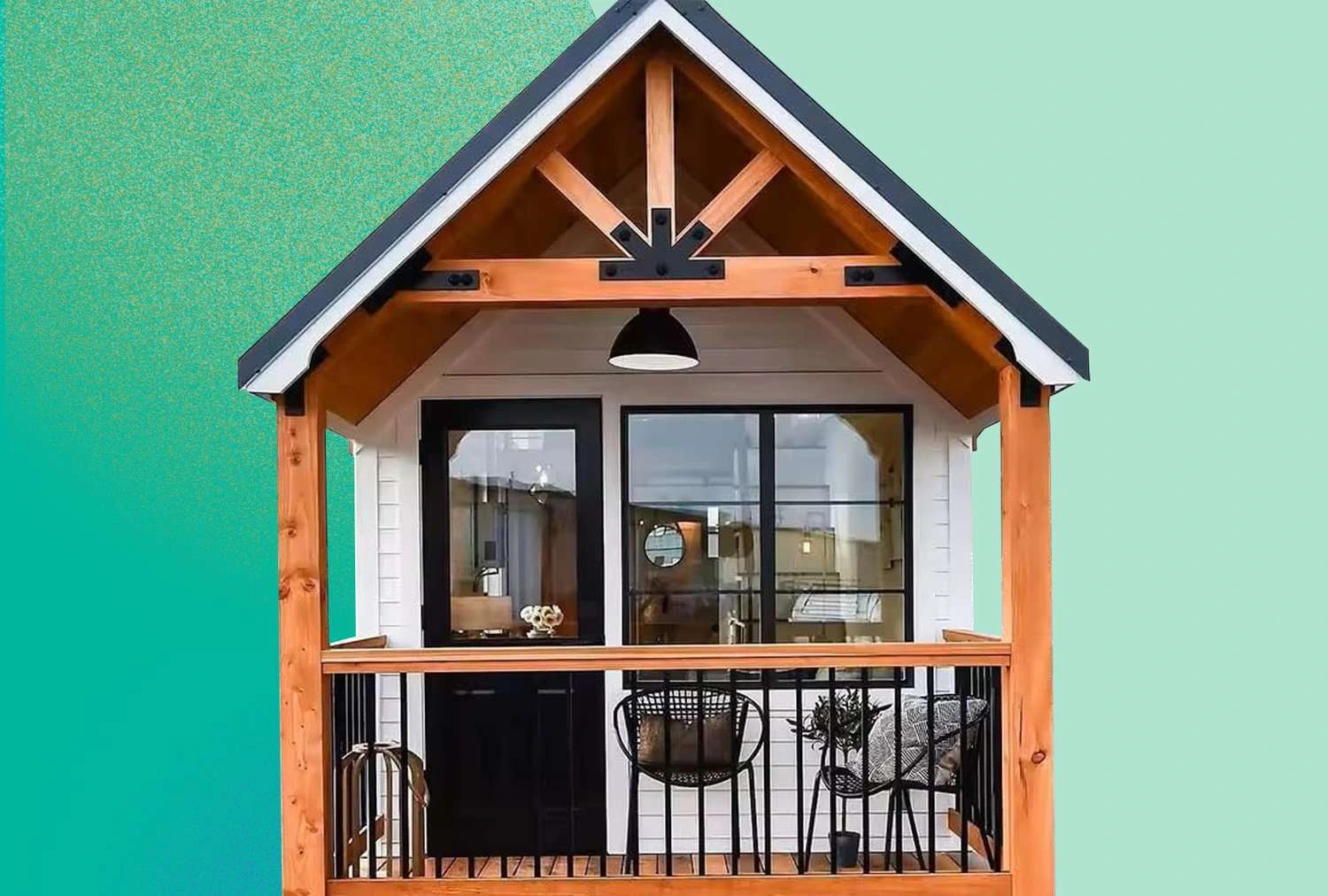
Zoning and Legal Reality Check in Canada
Canada has no national standard for tiny homes. Every municipality sets its own rules, and the range of approaches is wide. Some cities are actively embracing tiny homes as a solution to the housing affordability crisis, while others continue to treat them as recreational vehicles with no legal basis for full-time residential use.
Most Permissive Regions for Tiny Homes in Canada
- British Columbia: Several municipalities including some areas near Victoria and in the Interior have approved tiny homes as ADUs or secondary suites on existing residential lots.
- Alberta: Rural counties and smaller cities have been more open to tiny homes on owned land, particularly on agricultural properties where secondary structures are already permitted.
- Ontario: The province has been encouraging ADU construction broadly, and some lower-tier municipalities are interpreting this to include small-footprint permanent structures.
In most Canadian cities, a tiny home on wheels is still classified as a recreational vehicle and cannot be used as a permanent primary residence. The safest approach in Canada is to contact the local planning and development department before purchasing anything and to consult a local real estate lawyer familiar with ADU regulations in your target municipality.
A practical tip worth emphasizing in both countries: join active online communities specific to your target region. Tiny home Facebook groups and Reddit communities focused on your province or state will often have firsthand accounts of which specific townships and counties are approving permits and which are not. That local knowledge is often more current and useful than official documentation.
How to Finance a Tiny Home in 2026
Financing is the second major hurdle after zoning for tiny home buyers, and the options are genuinely more limited than for conventional homes. Here is a realistic overview of what is available:
- Personal loans: The most common financing route for tiny homes on wheels. Amounts typically range from $20,000 to $100,000 with repayment terms of 2 to 7 years. Interest rates are higher than mortgage rates but the approval process is simpler.
- RV loans: If your tiny home is RVIA-certified (certified by the Recreational Vehicle Industry Association), it may qualify for an RV loan with lower interest rates and longer terms than a standard personal loan.
- Construction or land loans: For tiny homes built on permanent foundations with purchased land, some lenders will offer a construction-to-permanent loan that works similarly to a traditional mortgage.
- Builder financing: Several professional tiny home builders offer in-house financing or have lending partners who specialize in this market. Terms vary significantly, so compare carefully.
- Cash: Because the total cost of a tiny home is often within reach of determined savers, a meaningful percentage of tiny home buyers pay cash outright. This eliminates financing complications entirely.
Financing a tiny home is more straightforward when your credit profile is in good shape. If you are working on rebuilding credit or have limited savings, our guide on how to buy a house with bad credit or low savings in 2026 covers the programs and strategies that can help.
Pros and Cons of Tiny Home Living in 2026
Advantages
- Dramatically lower purchase price and monthly costs compared to conventional homes or city rentals
- Faster path to debt-free ownership, with many buyers paying off their tiny home within five to ten years
- Simpler lifestyle with significantly less maintenance, both in time and expense
- Smaller environmental footprint, with lower energy use and reduced consumption overall
- Greater flexibility and mobility for those on wheels, allowing relocation without selling
Trade-Offs to Consider
- Finding legally permitted land is genuinely difficult in many areas and requires significant research upfront
- Very limited living space, which is particularly challenging for families with children or anyone who works from home and needs dedicated office space
- Resale value and market liquidity are lower and less predictable than for conventional homes
- Financing is more limited and often carries higher interest rates than standard mortgages
- Social and legal complications in areas where tiny home living is not yet normalized or legally supported
Who Should Seriously Consider a Tiny Home in 2026
Tiny homes are not a universal solution and are not marketed as one here. But they are a genuinely strong fit for a specific type of buyer. You are probably a good candidate if most of the following apply to you:
- You are single or a couple without children, or with one child who is comfortable in a compact space
- You work remotely and have location flexibility
- You prioritize financial freedom over square footage
- You are comfortable with a hands-on relationship to your living space, including basic maintenance and repairs
- You have access to land, whether through purchase, lease, or family arrangement, in a permissive jurisdiction
- You are willing to do thorough zoning research before committing to a build or purchase
Exploring the Tiny Home in Canada Trend
If you have a large family, require significant storage or workspace, or are in a location with rigid zoning restrictions, a tiny home is likely to create more problems than it solves. Honesty about your actual needs before making this decision matters more than the appeal of the concept.
My Honest Take
Tiny homes are not a magic fix and they are definitely not for everyone. If you need a lot of space, have a large family, or live in an area with rigid zoning, they will likely feel more like a compromise than a solution. But if you value financial freedom, simplicity, and getting out of the endless rent cycle, a tiny home in 2026 can be one of the smartest moves available, especially when you pair it with the right land in a permissive location.
I would not choose full-time tiny living myself right now, but I would absolutely encourage a friend who wants less financial stress and more flexibility to seriously explore it. The people I have spoken to who made this transition are not people who settled. They are people who made a deliberate, informed choice and have not looked back.
Frequently Asked Questions
Are tiny homes a good investment in 2026?
Tiny homes are better understood as a lifestyle and affordability tool than a pure investment vehicle. They do not appreciate at the same rate as conventional homes and resale can be slower, particularly for homes on wheels. That said, the financial relief from dramatically lower monthly costs, and the ability to own outright in a much shorter timeframe, makes them a genuinely smart financial move for the right buyer.
Can I legally live in a tiny home full-time in the USA?
Ultimately, a tiny home in canada offers a chance to redefine how we think about living spaces.
Yes, but the legality depends entirely on your location. Tiny homes on permanent foundations that meet local building codes and minimum size requirements can be permitted as primary residences in most jurisdictions. Tiny homes on wheels face more restrictions and are often classified as RVs, limiting full-time occupancy. Always verify with your specific county or city planning department before purchasing land or a build.
How much does it cost to build a tiny home yourself?
A DIY or semi-DIY tiny home build typically costs between $25,000 and $55,000 depending on size, materials, and how much of the specialized work like electrical and plumbing you hire out. Budget overruns are common for first-time builders, so adding a 15 to 20% contingency to your projected build cost is a sensible approach. Connecting with experienced tiny home builders through online communities before you start can save you significant money and time.
What states are most friendly to tiny homes in 2026?
Texas, Florida, Oregon, Colorado, and parts of the Midwest and Mountain West consistently rank among the most permissive states for tiny home living. Within those states, specific counties and municipalities still vary. North Carolina, Tennessee, and Arizona have also seen growing tiny home community development in recent years. Always verify at the county or city level regardless of how permissive the state is known to be overall.
Can I get a mortgage on a tiny home?
A traditional mortgage is generally only available for tiny homes built on permanent foundations that meet local minimum size requirements and are titled as real property. Tiny homes on wheels are more commonly financed through personal loans, RV loans for RVIA-certified builds, or builder financing. The financing landscape for tiny homes is expanding but remains more limited than conventional home financing.
Are tiny homes allowed in Canada?
Yes, in certain areas and under certain conditions. British Columbia, Alberta, and parts of Ontario have municipalities that permit tiny homes as primary residences or accessory dwelling units. However, Canada has no national standard, so rules are entirely local. In many Canadian cities, tiny homes on wheels are still classified as recreational vehicles and cannot be used as a full-time primary residence. Contacting your local planning department and a real estate lawyer before committing to a purchase is strongly recommended.
Tiny Homes in 2026: A Real Option Worth Taking Seriously
The case for tiny homes in 2026 is not built on trends or aesthetics. It is built on numbers. When the average mortgage payment on a median-priced home is over $2,400 per month and the average tiny home owner pays a third of that, the financial argument becomes difficult to dismiss. The barriers are real, zoning research takes time and patience, and not every location will work. But for buyers who approach it methodically, the path is clear and the outcome is genuinely life-changing for many people.
Do the zoning research first. Know your financing options before you commit to a build or purchase. And be honest with yourself about whether the lifestyle fits your actual life. If it does, the doors that tiny home living opens financially may be worth more than anything a larger footprint could ever give you.
References
- Freddie Mac Primary Mortgage Market Survey, May 2026
- Tiny House Blog, community reports 2025 to 2026
- U.S. Department of Housing and Urban Development (HUD)
- Canada Mortgage and Housing Corporation (CMHC)
- Recreational Vehicle Industry Association (RVIA), certification standards
Last updated: May 25, 2026. All figures are based on current market data and community reports. Zoning laws change frequently. Always verify with your local planning authority before making any purchasing or building decisions.
For many, the idea of a tiny home in canada embodies freedom from traditional housing constraints.
Curious about the advantages? A tiny home in canada provides financial relief alongside lifestyle flexibility.
The future of homeownership could very well include a tiny home in canada as a viable option for many.
As more people consider a tiny home in canada, community acceptance and regulatory frameworks will continue to evolve.
In conclusion, a tiny home in canada is not only a trend but a lifestyle choice that resonates with many.
With the right approach, a tiny home in canada can fulfill your housing needs while promoting a sustainable lifestyle.

I’ve spent several years researching U.S. and Canadian housing markets, with a focus on practical, data-driven strategies for everyday homebuyers. My goal is to make complex market trends easier to understand and help readers make informed real estate decisions. While I strive to keep all information current and accurate, housing markets change quickly, so always consult qualified real estate, financial, or professionals before making decisions.