
If you are thinking about buying a home in Canada in 2026, you have probably felt the frustration. Toronto and Vancouver prices still make headlines, but many regular families are quietly finding much better value further west. After following the numbers closely, the affordable housing markets in Canada 2026 that stand out most clearly are in the Prairies, particularly Edmonton and Saskatoon, which continue to be some of the most buyer-friendly markets in the country. If you’re interested in residential properties for sale, these markets offer competitive options. Residential properties for sale in these areas provide families with realistic opportunities for homeownership.
Several families who made the move from Ontario or British Columbia last year shared a consistent reaction. They said they finally feel like they can breathe financially. This guide gives you a clear, honest look at why Prairie markets are standing out right now, what the numbers actually show, and what you need to weigh before making a move.
In addition to affordability, the availability of residential properties for sale in these regions is high, making it easier for buyers to find suitable homes.
Key Takeaways
- Edmonton and Saskatoon remain the strongest affordable housing markets in Canada in 2026, with average prices between $420,000 and $480,000 and balanced inventory.
- Prairie buyers have genuine negotiating power in 2026. That is a significant advantage compared to Toronto and Vancouver where competition remains intense.
- Monthly mortgage payments in Prairie markets are roughly half what buyers face in Ontario and British Columbia on comparable homes.
- Calgary has appreciated noticeably but still offers better affordability than eastern and coastal markets.
- The main trade-offs are cold winters and distance from larger urban centers, not the housing market itself.
Current Market Reality in May 2026
The numbers tell a compelling story. According to the latest CMHC Housing Market Outlook, average home prices in the Prairies remain significantly more accessible than in Ontario and British Columbia. Here is a side-by-side comparison across the major markets:
| City / Region | Avg Home Price (May 2026) | Est. Monthly Mortgage | Inventory Level | Buyer Negotiation Power |
|---|---|---|---|---|
| Edmonton, AB | $420,000 to $470,000 | $1,400 to $1,650 | Balanced | Good |
| Saskatoon, SK | $430,000 to $480,000 | $1,450 to $1,700 | Balanced | Good |
| Calgary, AB | $480,000 to $550,000 | $1,600 to $1,950 | Moderate | Moderate |
| Toronto, ON | $850,000 to $1,100,000 | $2,800 to $3,700 | High | Limited |
| Vancouver, BC | $950,000 to $1,300,000 | $3,200 to $4,400 | High | Limited |
Moreover, the residential properties for sale in Calgary, while appreciating in value, still offer better affordability than those in eastern and coastal markets.
Estimates assume 10% down payment, 6.5% interest rate, 25-year amortization. Actual payments vary with credit score, property taxes, and insurance.
The Prairie markets simply give buyers more room to negotiate and more house for their money. A family spending $1,500 per month on housing in Edmonton is buying a home. The same family spending $1,500 per month in Toronto is barely covering a portion of rent.
Edmonton: Big Opportunities Without Big-City Prices
Residential properties for sale in the Prairies are increasingly becoming a favored choice for many families looking to escape high prices in larger cities.
Exploring Residential Properties for Sale in the Prairies
Edmonton continues to be one of the most compelling affordable housing markets in Canada in 2026. You can still find good single-family homes in established neighbourhoods for under $500,000. The city’s employment base across energy, healthcare, education, and government provides the kind of stability that supports long-term ownership rather than speculative buying.
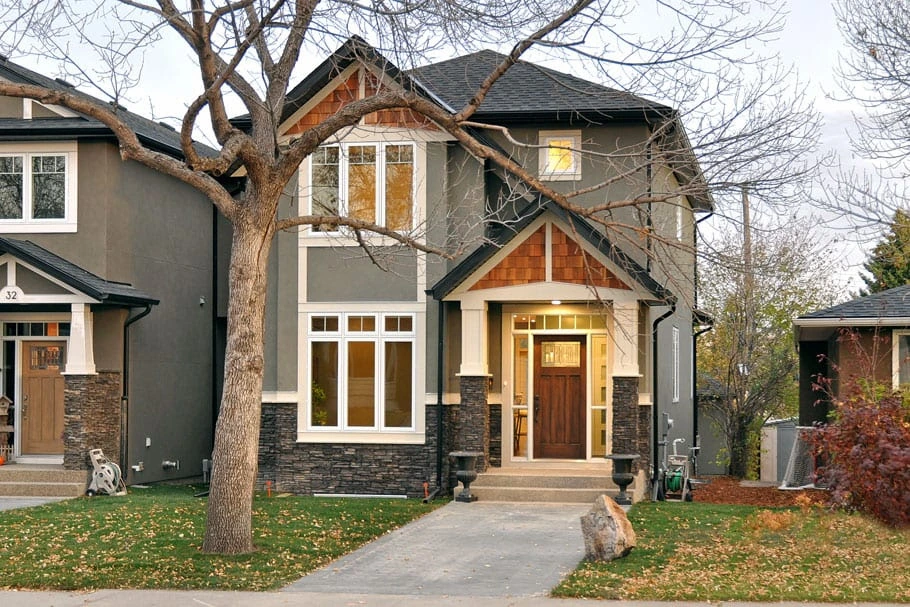
What stands out most in Edmonton right now is the inventory level. Unlike Toronto, where competition remains fierce and conditional offers are often rejected outright, Edmonton buyers in 2026 have time to inspect properties properly and negotiate on price or repairs. For families and first-time buyers, that difference is enormous in practical terms.
What You Can Buy in Edmonton for $450,000 in 2026
- 3 to 4 bedroom detached home in an established neighbourhood
- A backyard, a garage, and finished basement in many cases
- Properties in areas with good schools and proximity to transit
- Homes built in the 1990s to 2010s that are move-in ready with no major deferred maintenance
For context, $450,000 in Toronto in May 2026 buys you a small condo in a tower, likely without parking, in a neighbourhood you did not choose, competing with multiple other offers.
For those exploring residential properties for sale, you’ll find that the options are diverse and cater to various needs. From single-family homes to townhouses, there’s something for everyone in these affordable markets.
Saskatoon: Quiet Charm and Consistent Value
Saskatoon offers one of the best balances of affordability and livability among all affordable housing markets in Canada in 2026. With average prices around $450,000, buyers consistently get more space and more land than they would find in any major eastern or coastal market at that price point. The South Saskatchewan River valley setting adds genuine quality of life that does not show up in price comparisons.
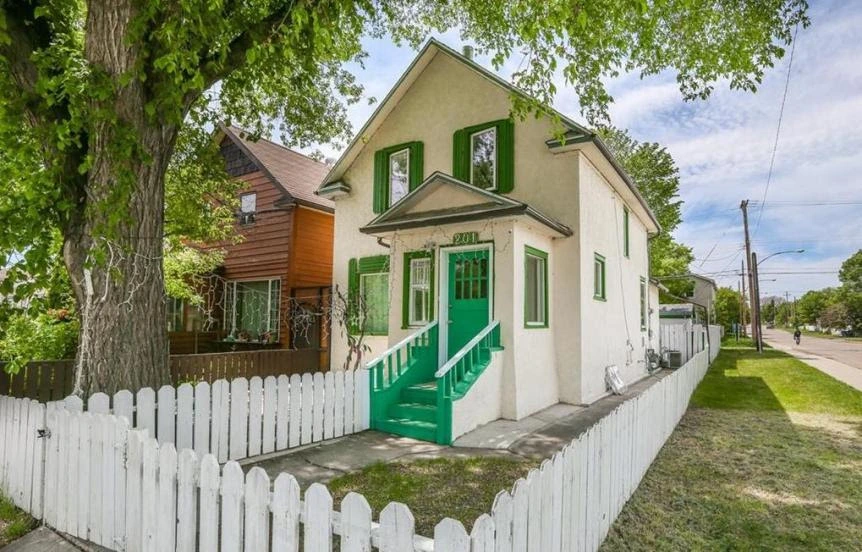
The job market in Saskatoon has been growing steadily across agriculture technology, education, healthcare, and emerging tech-related sectors. This is not a one-industry town, which matters for long-term housing stability. When a single industry contracts, markets dependent on it can see sharp corrections. Saskatoon’s diversification makes it a more resilient place to own property.
Many buyers who relocated from Ontario mention two things consistently. Lower overall cost of living and a noticeably calmer pace. Property taxes are reasonable by national standards, and everyday expenses from groceries to childcare tend to run lower than in major urban centres.
Saskatoon Neighbourhoods Worth Looking At in 2026
The opportunities for residential properties for sale are plentiful, providing numerous options for both first-time buyers and those looking to upgrade.
When discussing residential properties for sale, it’s important to consider the overall market dynamics and buyer conditions in these regions.
- Stonebridge: Newer development in the south end, popular with families, good schools nearby
- Evergreen: Balanced mix of price points, strong community feel, close to amenities
- Nutana and Varsity View: Older established areas close to the university and river, strong long-term value
- Hampton Village: Well-planned newer community, good for first-time buyers in the $380,000 to $450,000 range
How Ontario and British Columbia Compare in 2026
For families relocating from Ontario, the residential properties for sale in Saskatchewan offer a refreshing contrast in lifestyle and affordability.
Ontario and BC are still working through a period of high inventory in certain segments, longer selling times, and some downward price pressure in specific markets. Toronto condos in particular have seen meaningful corrections, and Vancouver detached homes have softened from their peak levels.
While price corrections in eastern and coastal markets create some buying opportunities for patient buyers with large down payments, the overall affordability gap compared to the Prairies remains very wide. Even with Toronto condo prices down from peak, the monthly carrying costs on a comparable living space are still two to three times what Prairie buyers pay.
Buyers interested in residential properties for sale can expect to find diverse options that suit their needs while maintaining affordability.
The price-to-income ratio is what matters most for sustainable homeownership, and on that measure the Prairies are not close to being matched by Ontario or BC in 2026. According to RBC Housing Affordability measures, Prairie households spend a significantly lower share of their pre-tax income on ownership costs compared to Ontario and BC households at every income level.
For buyers who are genuinely weighing options and have location flexibility, that ratio is the number that should drive the decision more than anything else.
Pros and Cons of Buying in the Prairies in 2026
As you consider your next move, the residential properties for sale in the Prairies should be a top consideration.
Advantages
As you explore residential properties for sale, be mindful of the unique opportunities that these markets present.
- Significantly more affordable housing across all property types compared to Ontario and BC
- Better buyer conditions and real negotiating power in both Edmonton and Saskatoon
- Strong employment in diversified sectors including energy, healthcare, agriculture, and education
- Lower overall cost of living in most categories beyond housing, including property taxes, childcare, and daily expenses
- More space and land for the same budget, typically including yards and garages that are standard rather than premium
Trade-Offs to Consider
Whether you are a first-time buyer or looking to upgrade, residential properties for sale in these regions are worth exploring.
- Cold and long winters are a real lifestyle factor that affects daily life from November through March
- Fewer big-city amenities and cultural options compared to Toronto or Vancouver, though both Edmonton and Saskatoon have strong local scenes
- Energy sector cyclicality in Alberta means economic conditions can shift with oil prices, though Edmonton’s diversification softens this considerably
- Distance from family and friends is a genuine emotional cost for people relocating from Ontario or BC
My Honest Take
The Prairies are not perfect. The winters are long and genuinely cold, and you might miss the ocean or the energy of a larger city. But if your main goal is actually owning a home without feeling financially crushed every month, Edmonton, Saskatoon, and other Prairie markets are still winning in 2026. They give working families a real, realistic path to homeownership that is much harder to access in Ontario or British Columbia right now.
I would not recommend moving purely for cheaper housing without having a solid employment plan and an honest conversation with yourself about whether Prairie life suits you. But for the families I have spoken with who made this move, the financial breathing room has been genuinely worth the trade-offs. Most of them said they wish they had done it sooner.
Overall, the residential properties for sale represent significant advantages over those in more competitive markets, particularly in terms of affordability and buyer options.
Frequently Asked Questions
Is Edmonton a good place to buy a home in 2026?
Yes. Edmonton stands out as one of the most buyer-friendly affordable housing markets in Canada in 2026. Balanced inventory, genuine negotiating room, a diversified employment base, and average prices between $420,000 and $470,000 make it a strong choice for families and first-time buyers who have flexibility on location.
Is Saskatoon cheaper than Calgary to buy a home?
Generally yes. Saskatoon’s average home prices in May 2026 run between $430,000 and $480,000 compared to $480,000 to $550,000 in Calgary. Saskatoon also tends to have more balanced inventory and slightly better buyer negotiating conditions than Calgary, which has seen stronger price appreciation in recent years due to interprovincial migration from Ontario and BC.
Should I buy in the Prairies or wait for Toronto prices to drop further?
This depends entirely on your income, savings, and life situation. If you can genuinely afford a Toronto purchase without significant financial strain, and your career and family ties are rooted there, waiting for further softening may be reasonable. But if your monthly payment would consume more than 35 to 40% of your household income, the Prairies offer a financially healthier alternative right now rather than a compromise you settle for.
What are the best neighbourhoods to buy in Edmonton for families?
In 2026, family-friendly Edmonton neighbourhoods with strong value include Windermere and Keswick in the southwest, Laurel and Walker in the southeast, and established areas like Riverbend and Terwillegar Towne in the west end. Each offers good schools, parks, and community infrastructure at prices that remain accessible compared to comparable family neighbourhoods in other major Canadian cities.
Do first-time buyers in Alberta get any government assistance?
In summary, the residential properties for sale in the Prairies create an appealing landscape for potential homeowners.
Yes. Alberta first-time buyers can access the federal First Home Savings Account (FHSA), which allows up to $40,000 in tax-free savings toward a home purchase. The federal Home Buyers’ Plan also allows withdrawals of up to $60,000 from an RRSP. Alberta itself does not currently offer a provincial first-time buyer grant, but property transfer taxes in Alberta are lower than in Ontario and BC, which reduces closing costs meaningfully.
Is the Prairie housing market at risk of a correction in 2026?
Those searching for residential properties for sale should take advantage of the current market conditions that favor buyers.
No major correction is widely anticipated in Edmonton or Saskatoon for 2026 based on current CMHC and CREA data. Both markets remain underpinned by real demand from interprovincial migration and stable local employment. The greater risk of correction in 2026 is actually in Toronto and Vancouver condo markets, where investor activity, softening rents, and high carrying costs have created pockets of overvaluation. Prairie markets are entering 2026 from a position of relative balance rather than excess.
In conclusion, the residential properties for sale offer exceptional value and diverse options for families in 2026.
Conclusion: The Prairies Are Still Winning for Canadian Home Buyers
The affordable housing markets in Canada in 2026 are not evenly distributed, and the data makes that clear. Edmonton and Saskatoon offer what most buyers actually need: a realistic monthly payment, genuine negotiating room, and the stability that comes from owning a home in a market supported by real employment demand rather than speculative pressure.
If you have the flexibility to consider where you live and your priority is financially sustainable homeownership, the Prairies are not a compromise. They are a decision that many buyers who have already made it describe as one of the best they have taken.
References
- CMHC Housing Market Outlook 2026
- RBC Housing Affordability Measures, May 2026
- CREA National Market Reports, May 2026
- Alberta Real Estate Association market data
- Saskatchewan Realtors Association market reports
Last updated: May 25, 2026. All figures are based on current market data. Always consult a licensed mortgage professional and local real estate agent before making purchasing decisions.
For a broader view of where the market stands this year, read our full 2026 Housing Affordability Report: USA & Canada, covering price trends, regional comparisons, and the best opportunities for buyers right now.
For a detailed breakdown of where renters are finding the best value across Canada right now, including vacancy rates and city-by-city comparisons, see our Best Affordable Homes to Rent in Canada in 2026.

I’ve spent several years researching U.S. and Canadian housing markets, with a focus on practical, data-driven strategies for everyday homebuyers. My goal is to make complex market trends easier to understand and help readers make informed real estate decisions. While I strive to keep all information current and accurate, housing markets change quickly, so always consult qualified real estate, financial, or professionals before making decisions.